
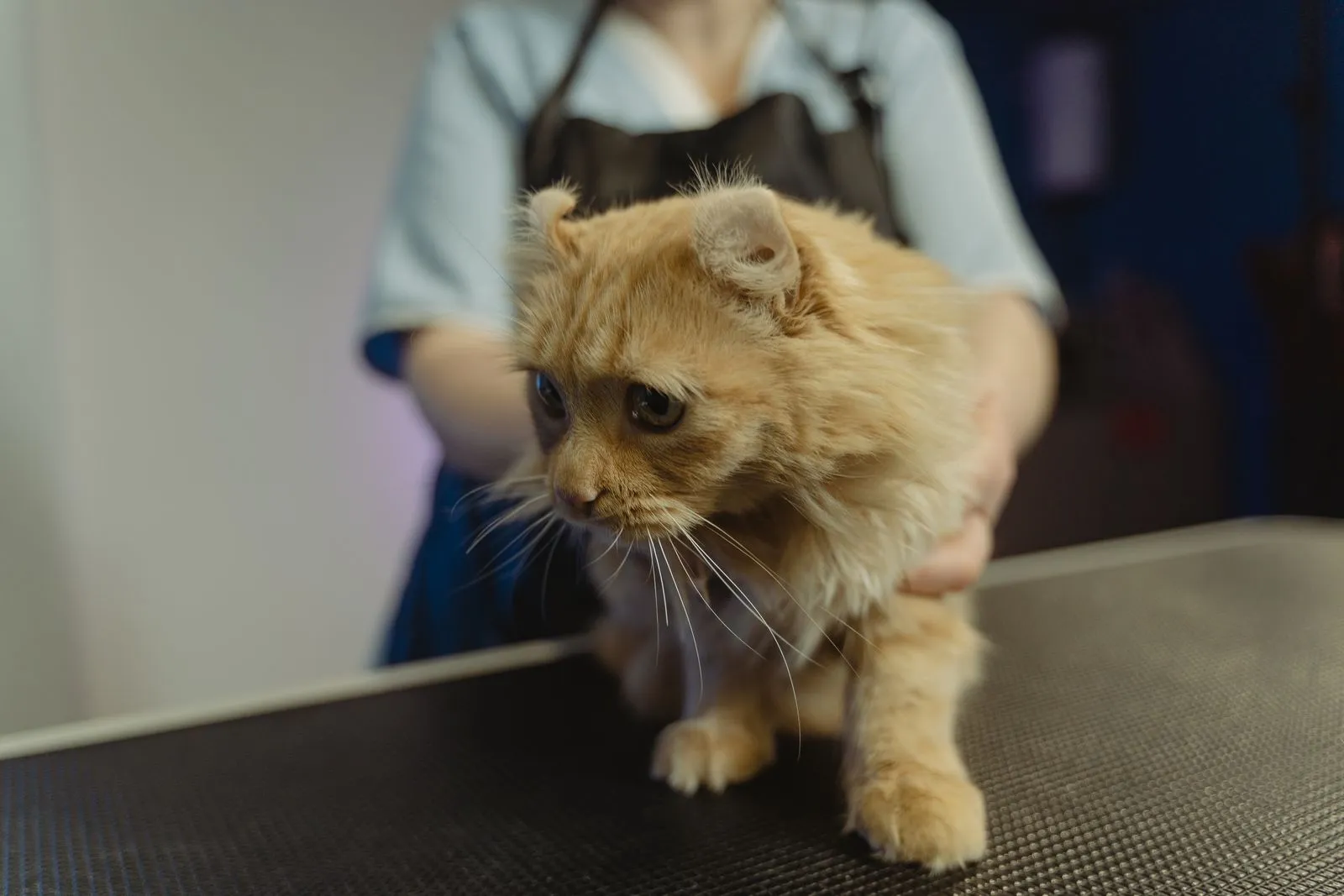
A first veterinary visit gives your care team a starting point for your pet’s health. The appointment usually includes questions about your pet’s history, a physical exam, and time to discuss preventive care or any concerns you have. A little preparation can make the visit smoother and help your pet feel safer. Bring relevant records, note questions in advance, and give your pet time to adjust to the carrier or car before you leave.
Before the Appointment
When you book, tell the clinic that this is your pet’s first visit and mention any immediate concerns. Ask whether your pet should arrive hungry for a planned test, and check how the clinic handles prescription refills or records from a previous provider. If your pet has trouble traveling, gets anxious around other animals, or may react defensively when handled, share that information ahead of time.
For cats, leave the carrier out at home so it becomes a familiar place rather than a signal that a trip is coming. Add a soft, washable blanket and offer treats inside if your cat is comfortable taking them. For dogs, practice short, calm car rides and bring a secure leash and well-fitting harness. Keep pets safely restrained during travel.
What to Bring
Bring any available medical records, vaccination certificates, adoption or breeder paperwork, and details of previous treatments. Make a list of medications and supplements, including the amount and how often your pet takes them. If your pet eats a special diet, note the food brand and feeding routine. Don’t delay care if you cannot locate every record; the clinic can help identify what is still needed.
Write down your questions and observations before you go. Note changes in appetite, drinking, bathroom habits, energy, sleep, or behavior, including when they began and how often they happen. Photos or short videos can help explain signs that may not occur during the appointment. Bring a fresh stool sample only if the clinic requests one, and follow its directions for storage and timing.
What Happens During the Visit
The veterinary team will ask about your pet’s history, daily routine, diet, and current health. The veterinarian will typically check your pet’s eyes, ears, mouth, skin, coat, heart, lungs, abdomen, and movement. They may also discuss weight, parasite prevention, vaccines, dental care, and whether tests are appropriate. The exact plan depends on your pet’s age, history, symptoms, and exam findings.
Use the visit to ask what each recommendation is for, when it should happen, and what signs should prompt a follow-up. If your pet is frightened, tell the team what you notice and ask whether a pause or a different handling approach would help. You can also ask how to give any medication at home and what to do if your pet will not take it.
Help Your Pet Settle In
Keep your voice and movements calm, and let the veterinary team guide how your pet enters the exam room. Bring familiar treats if your pet can safely eat them, but check first if a test or procedure may require an empty stomach. Avoid forcing your pet to greet unfamiliar animals or people. A little space can make the experience easier, especially for nervous cats and dogs.
After the appointment, follow the care instructions and save the clinic’s contact information. Ask when to expect test results, whether your pet needs a follow-up, and whom to call if a new concern comes up. Some pets may need time to decompress at home. Offer a quiet place to rest, fresh water, and their usual routine unless the veterinary team advises otherwise.
A first vet visit is easier when you arrive with records, clear observations, and a few questions. Your veterinary team can explain the exam and help shape a care plan around your pet’s needs. If you’re preparing for an appointment at Cedar Paw Veterinary in Vancouver, contact the clinic to ask what to bring and how to make the visit more comfortable.