
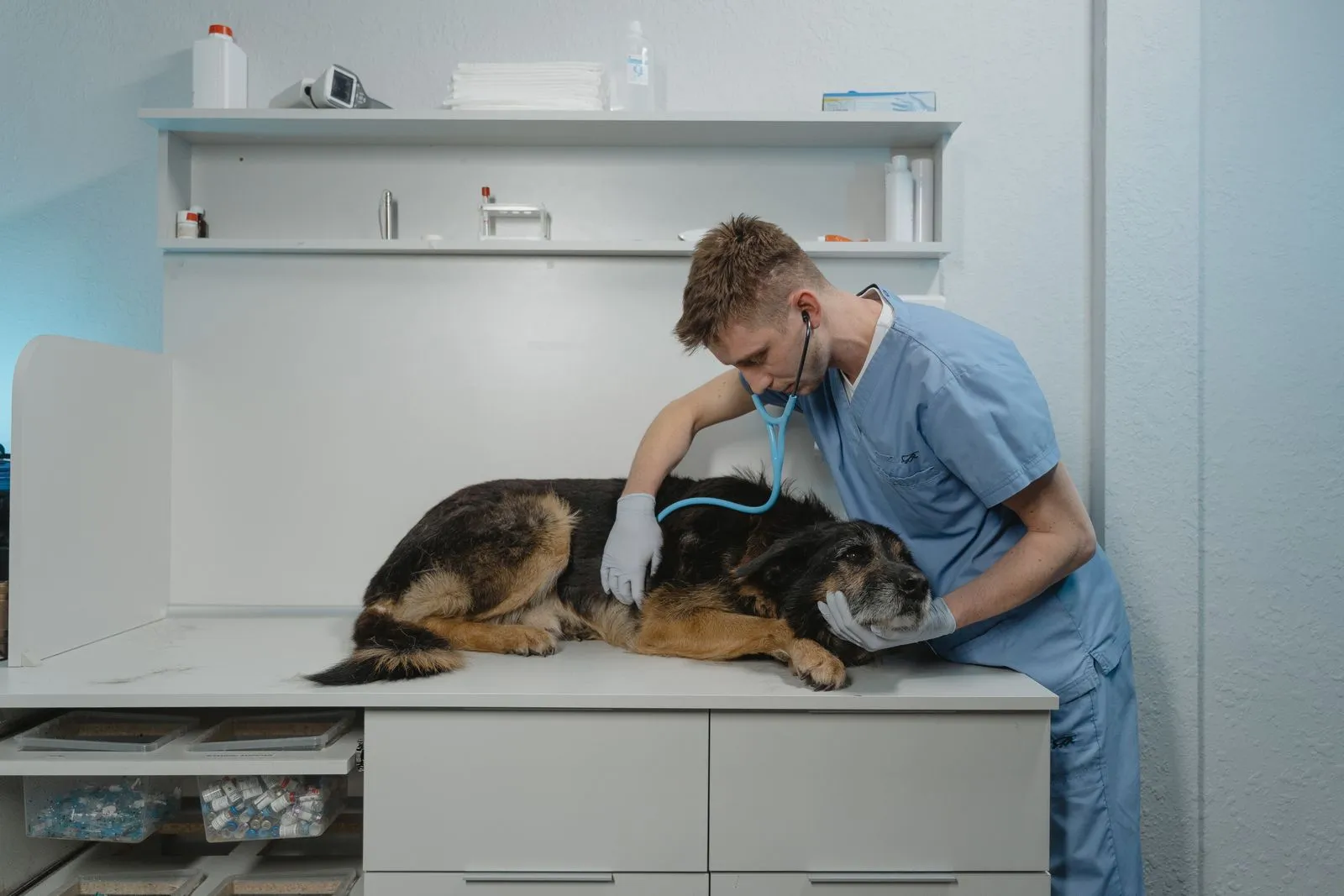
Pets can’t explain when something feels wrong, so changes in everyday habits can offer important clues. A skipped meal, unusual withdrawal, or new stiffness may have a simple explanation, but these changes can also signal pain or illness. Pay attention to what is different from your pet’s normal routine, when it began, and whether it is getting worse. This guide can help you decide when to monitor, when to call your veterinarian, and when to seek urgent care.
Changes in appetite and drinking
A sudden loss of interest in food, eating much less than usual, or refusing favorite treats is worth noticing. So is a sharp increase in appetite, especially when it comes with weight changes or other new symptoms. Record when the change started and whether your pet is still drinking, urinating, and passing stool normally. Contact your veterinarian if reduced eating persists, your pet seems unwell, or the change is unusual for them.
Changes in thirst can matter, too. Drinking much more or less than usual may accompany a health problem, while vomiting or diarrhea can raise concern about dehydration. Don’t force food or water, and avoid giving human medications. If your pet cannot keep water down, appears weak, or has repeated vomiting or diarrhea, call a veterinary clinic promptly for advice.
Behavior that feels out of character
A normally social pet that hides, avoids touch, or loses interest in play may be uncomfortable or unwell. Other clues include restlessness, unusual vocalizing, irritability, confusion, or sleeping far more than usual. Consider recent changes in routine, food, or surroundings, but don’t assume those explain a persistent shift. Describe the behavior and its timing when you contact your veterinarian.
Some behavior changes need urgent attention. Seek veterinary help right away for collapse, a seizure, difficulty breathing, sudden disorientation, or inability to wake your pet normally. If you suspect your pet ate a toxic substance or a foreign object, call a veterinarian or animal poison service immediately; don’t wait for symptoms or try to induce vomiting unless a professional tells you to.
Movement, posture, and signs of pain
Watch for limping, stiffness, reluctance to jump or use stairs, difficulty standing, or a change in posture. Your pet may also lick one area repeatedly, flinch when touched, or move less than usual. Note whether the problem began suddenly, follows an injury, affects one or more limbs, or improves after rest. A short video of the movement can help your veterinarian assess what you’re seeing.
Arrange veterinary guidance for new or persistent mobility problems, especially if your pet seems painful or the symptoms are worsening. Keep activity calm and prevent jumping while you wait for advice. Don’t give human pain relievers; some can be dangerous to pets. Sudden inability to stand or walk, severe pain, or an injury with significant bleeding warrants urgent veterinary care.
When to call and what to share
Call your veterinarian when a change is sudden, lasts longer than expected, keeps returning, or appears alongside other symptoms. Trust your knowledge of your pet’s normal habits: even a subtle difference can be useful context. If you’re unsure how quickly your pet should be seen, explain the symptoms and ask the clinic to advise you. For severe breathing problems, collapse, uncontrolled bleeding, or suspected poisoning, seek emergency help without delay.
Before calling, note your pet’s age, medications, relevant health history, when the signs began, and how they have changed. Share details about food and water intake, bathroom habits, activity, and possible exposure to hazards. Photos or brief videos can clarify symptoms that come and go. Follow the veterinary team’s instructions, and don’t delay urgent care to collect extra information.
Changes in appetite, behavior, or movement can be your pet’s way of signaling discomfort or illness. Notice what is different, track when it started, and contact a veterinarian if symptoms persist, worsen, or seem urgent. Cedar Paw Veterinary can help you decide on an appropriate next step; call ahead to discuss your pet’s signs.